Skip to content

Guitar Terra

Guitar History and Culture

  • Echoes From the Vault
  • Hundred Million Club
  • Music HistoryExpand
    • Music & The Moral Panic
    • History of Rock
Guitar Terra
Guitar History and Culture
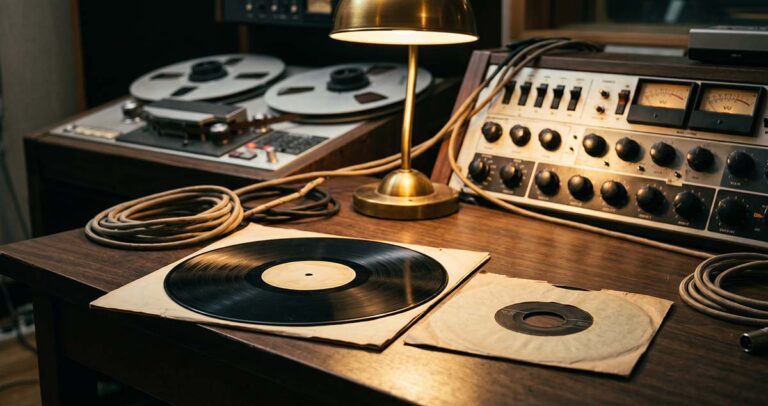
  • A 12-inch LP beside a 7-inch single in a 1960s recording studio, visualizing rock's album revolution
    History of Rock

    Episode 9: The Album Takes Command (1965–1967)

    ByVin Amorando October 13, 2026

    By the middle of the 1960s, pop music moved through an industrial system built around turnover. Jukebox operators needed new records, radio schedules favored compact songs that fitted predictable programming clocks, and promotion depended on a continuing supply of releases that could be played repeatedly and sold as individual hits. For much of rock and…
    Read More Episode 9: The Album Takes Command (1965–1967)Continue

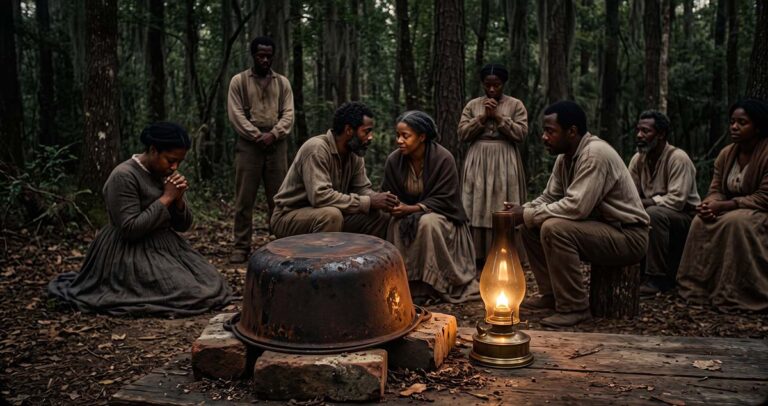
  • Iron wash pot in a wooded hush harbor, showing an improvised effort to contain worship beyond plantation surveillance.
    Music & The Moral Panic

    Episode 9: The Invisible Church – Spirituals, Ring Shouts, and Music Beyond Surveillance

    ByVin Amorando October 13, 2026

    The Machinery of Total Domination An auction broadside from antebellum New Orleans reduces human beings to commercial inventory. Men appear with the cold specificity normally reserved for merchandise, classified by age, capacity, and physical condition. The document belongs to a legal and economic order that transformed ownership of another person into an enforceable commercial fact….

    Read More Episode 9: The Invisible Church – Spirituals, Ring Shouts, and Music Beyond SurveillanceContinue

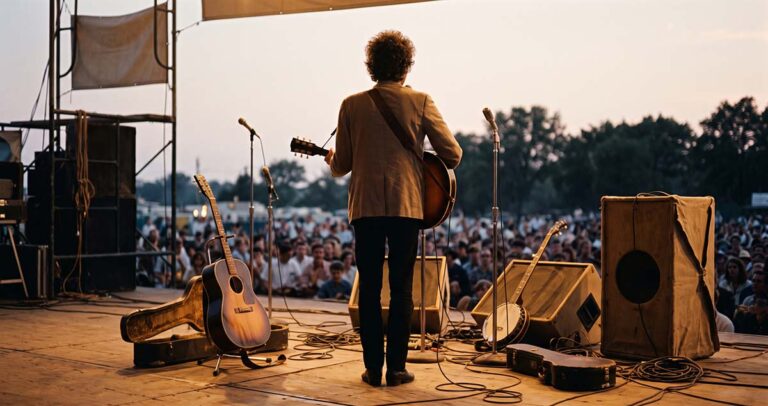
  • Bob Dylan plays electric guitar at the 1965 Newport Folk Festival as folk's argument over authenticity becomes public.
    History of Rock

    Episode 8: When Folk Plugged In (1948–1967)

    ByVin Amorando October 5, 2026October 13, 2026

    The Engine They Built In the late 1940s, the basement clubs and union halls of Greenwich Village belonged to something more deliberate than a music scene. Woody Guthrie, Pete Seeger, the Almanac Singers, and the organizers around People’s Songs treated music as working infrastructure. An acoustic guitar could travel through a meeting hall or a…

    Read More Episode 8: When Folk Plugged In (1948–1967)Continue

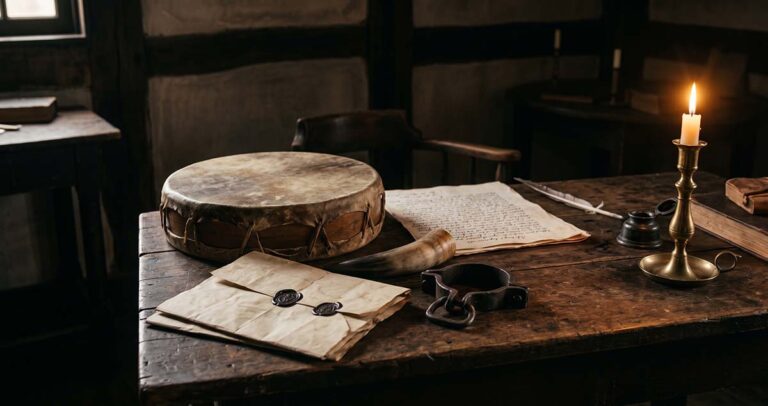
  • Drum, horn and colonial papers evoke South Carolina's 1740 regulation of enslaved communication.
    Music & The Moral Panic

    Episode 8: The Drum Becomes Contraband – Colonial Suppression of African Music and Communication

    ByVin Amorando October 5, 2026

    September Morning on the Pon Pon Road On the morning of September 9, 1739, twenty enslaved men began moving south along the Pon Pon Road in South Carolina to the deliberate cadence of a drum. Around them lay the Carolina Lowcountry, a landscape of rice plantations, rivers, roads, and extraordinary colonial wealth built through captive…

    Read More Episode 8: The Drum Becomes Contraband – Colonial Suppression of African Music and CommunicationContinue

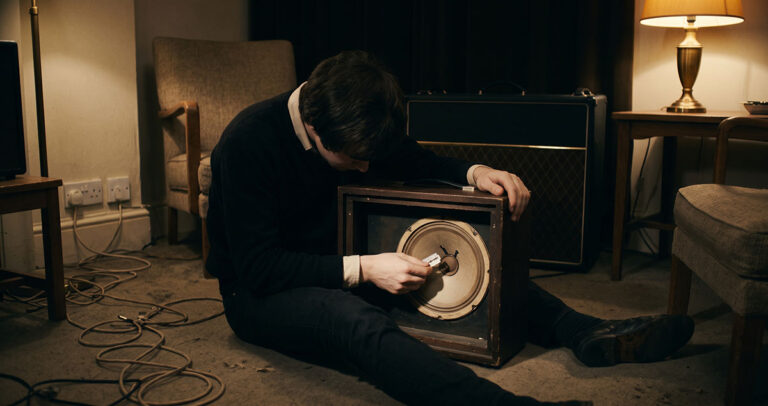
  • Teenage Dave Davies cuts an amplifier speaker cone with a razor blade in North London in 1964
    History of Rock

    Episode 7: The Volume Wars (1964–1966)

    ByVin Amorando September 24, 2026

    The wooden floor of Southern California’s Rendezvous Ballroom had become part of the amplification problem by 1961. Thousands of young people could fill the room, dance, shout toward the stage, and create an acoustic environment that ordinary guitar equipment had never been designed to defeat. Dick Dale stood in front of them with an exceptionally…

    Read More Episode 7: The Volume Wars (1964–1966)Continue

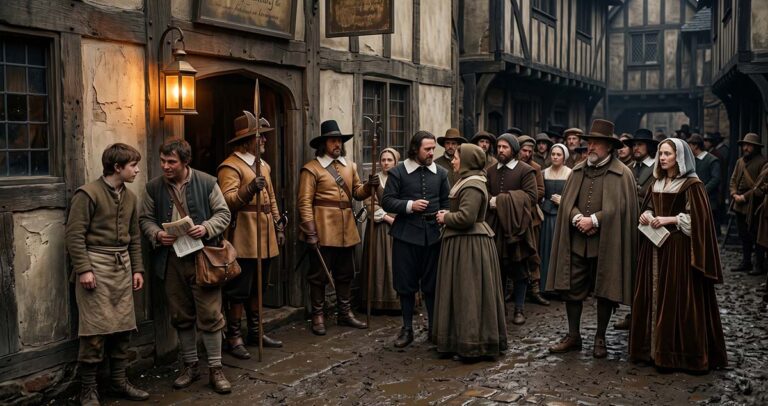
  • London theater spectators face civic control outside a playhouse during Parliament's 1648 suppression campaign.
    Music & The Moral Panic

    Episode 7: Fear of Assembly – Theater Closures, Sumptuary Laws, and the Dangerous Crowd (1600–1700)

    ByVin Amorando September 24, 2026

    A London playhouse in the early seventeenth century made the social order visible before the actors said a word. Apprentices and laborers crowded the yard while merchants and gentlemen occupied more expensive places in the galleries. Admission prices preserved distinctions of wealth and rank, and nobody mistook a servant for a gentleman simply because both…

    Read More Episode 7: Fear of Assembly – Theater Closures, Sumptuary Laws, and the Dangerous Crowd (1600–1700)Continue

Page navigation

1 2 3 4 Next PageNext

© 2026 Guitar Terra - WordPress Theme by Kadence WP

  • Echoes From the Vault
  • Hundred Million Club
  • Music History
    • Music & The Moral Panic
    • History of Rock